100% Quality Guarantee | Free Shipping and Design Service
Custom 3D Embroidery Patches Canada
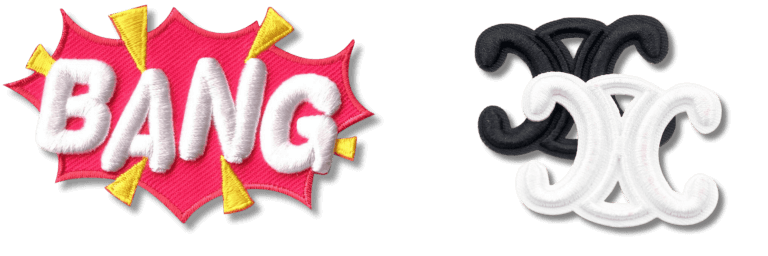
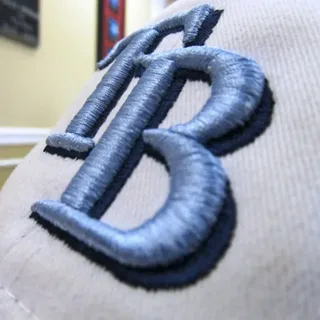
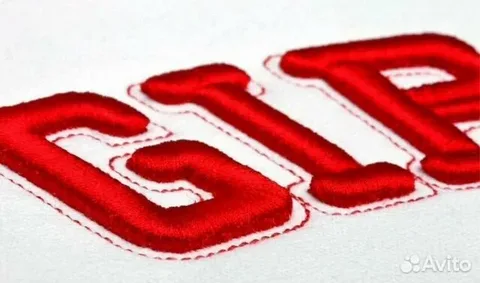
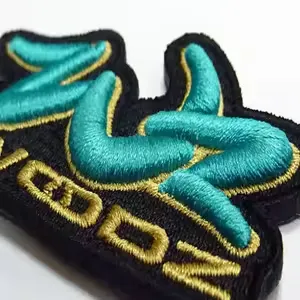
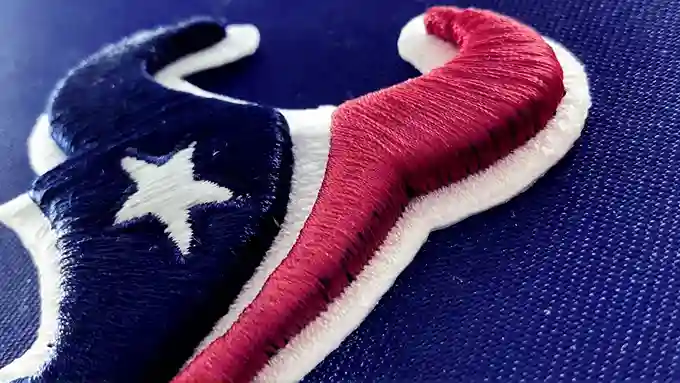
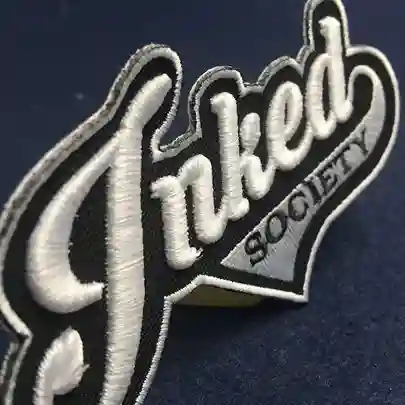
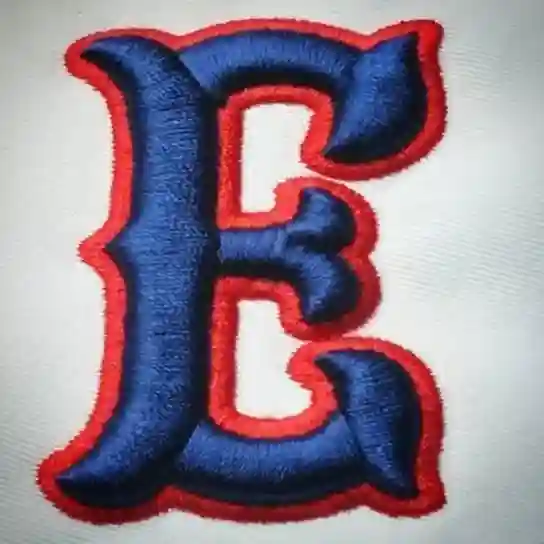
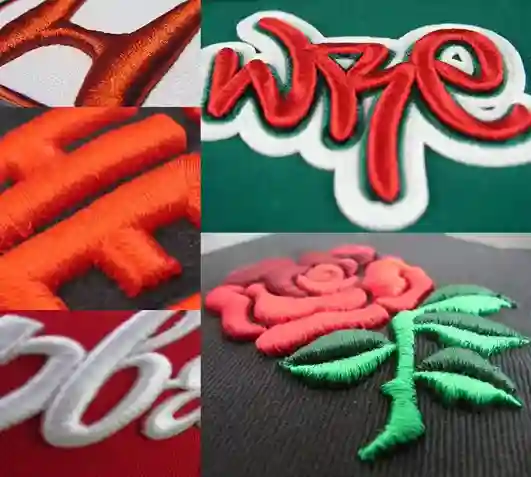
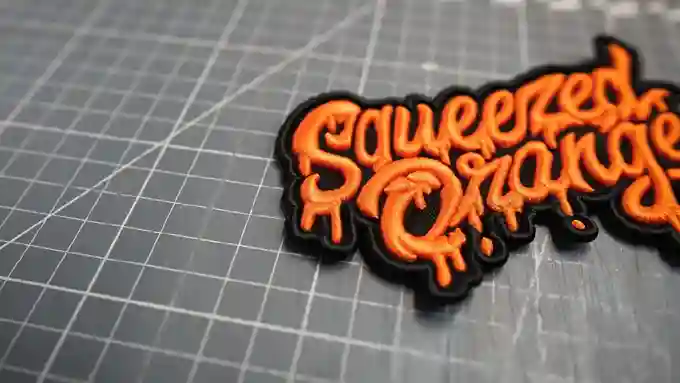
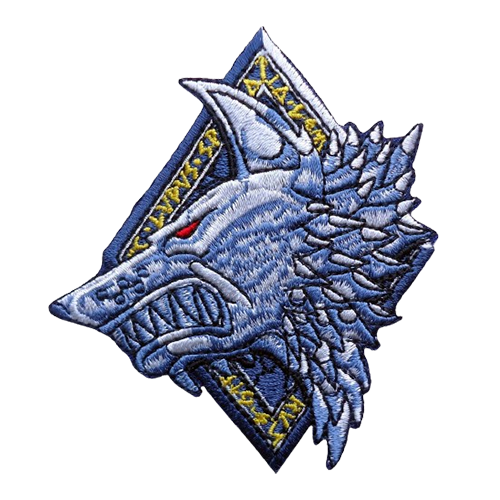
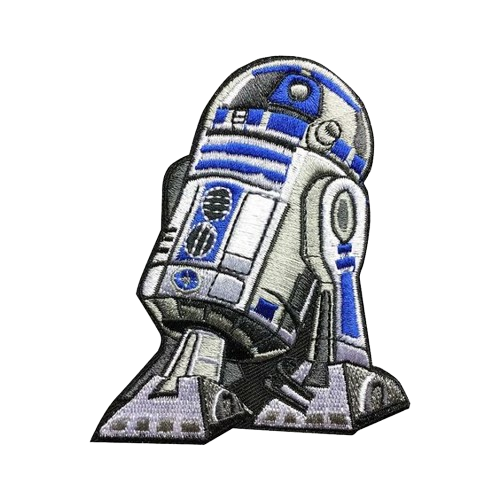
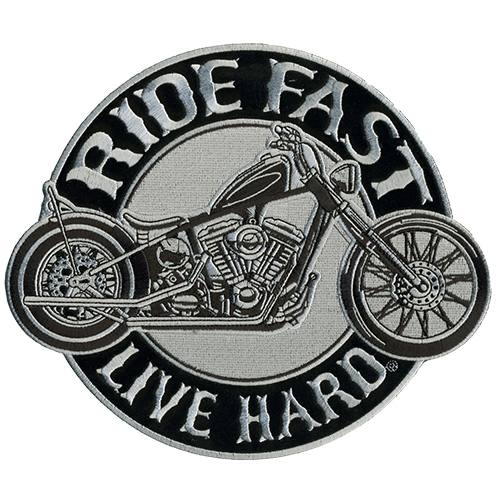
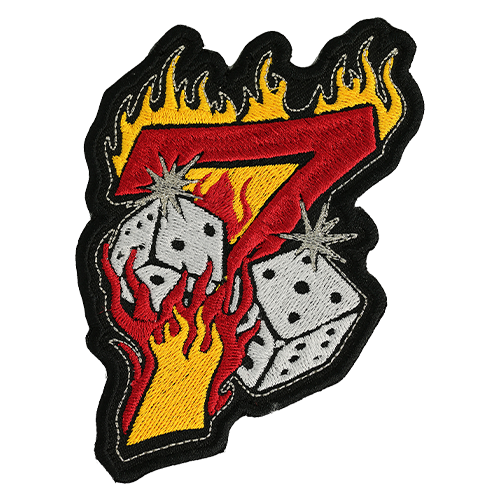
We make custom 3D embroidered patches Canada brands, teams, and businesses can use when flat embroidery just does not have enough presence. This style uses raised foam under the stitching to create a bold, dimensional finish that stands out on hats, uniforms, jackets, and branded merchandise. It works especially well for thicker lettering, cleaner shapes, and logos that need more depth.
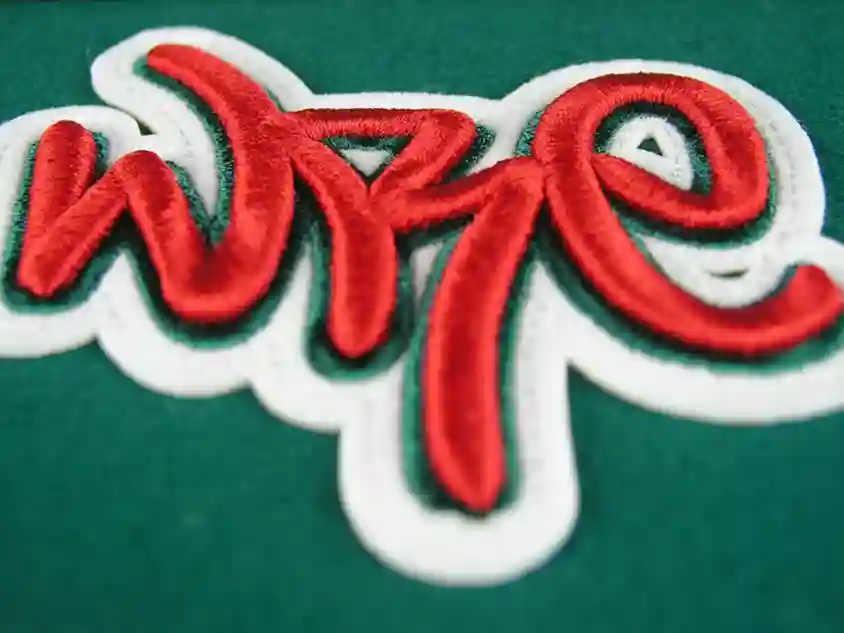
3D embroidery has more presence than flat stitching. The raised effect catches light, creates depth, and makes logos easier to notice from a distance. That is one reason 3D embroidered patches Canada buyers often choose this style for hats, team gear, and brand merchandise.
When the design is digitized properly and stitched with the right density, 3D embroidery holds its shape well and gives a more structured finish. Competitor pages repeatedly position it as a durable option for apparel and uniforms, especially where the logo needs to keep its form over time.
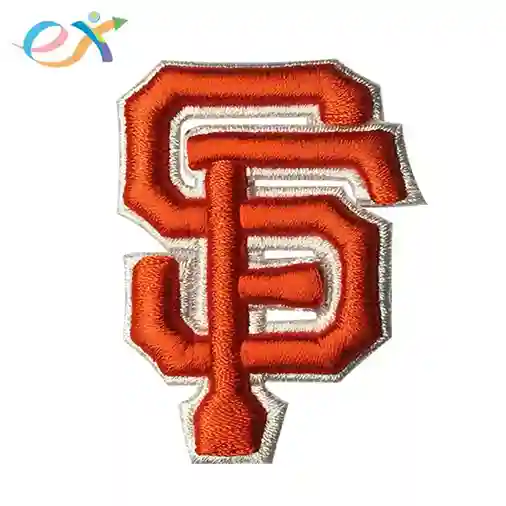
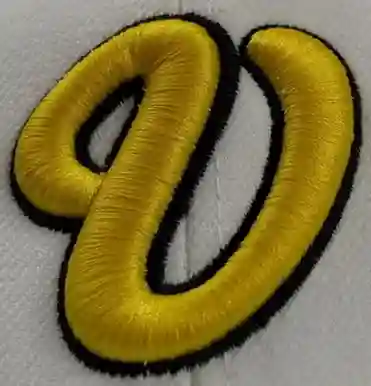
This style is flexible, but it works best when the artwork is built for it. Bold text, thicker outlines, and simpler shapes tend to produce the cleanest results. That makes puff embroidered patches Canada a strong fit for many logos, initials, and branding marks.
3D Embroidered Patches VS Regular Embroidered Patches
Depth and Texture:
3D Patches: Raised with foam underneath the thread, which gives the patch height and a more tactile finish.
Regular Patches: Sit flatter on the base fabric and feel smoother overall.
Visual Impact:
3D Patches: Better for logos that need to pop and get noticed quickly.
Regular Patches: Better when the design is more traditional or subtle.
Durability:
3D Patches: Structured and sturdy when used on the right design and material.
Regular Patches: Still durable, but without the same raised effect or shape retention.
Cost:
3D Patches: Usually cost a bit more because of the foam, stitch density, and added production
Regular Patches: Often the more budget-friendly option for simpler artwork and larger runs.
Types of Custom 3D Embroidery Patches for Uses
Full 3D Foam Patches
These patches use raised foam under the stitching to create a bolder, more lifted finish. They work especially well on caps, jackets, and uniforms where the design needs stronger depth and instant visibility.
Partial 3D Designs
This style combines raised and flat embroidery in the same patch. It is a good option when you want some parts of the design to stand out more, while smaller details stay cleaner and easier to read.
3D + Flat Embroidery Combination
A mixed embroidery setup works well for more detailed artwork. The raised areas add shape and texture, while the flat stitching keeps finer elements under control so the whole patch does not feel overcrowded.
Custom 3D Embroidery for Apparel
Brand Merchandise
3D embroidery works well on branded items that need more presence than flat stitching can give. It is a strong fit for hoodies, bags, and promotional products where the logo needs to feel bold and easy to notice.
Caps & Hats
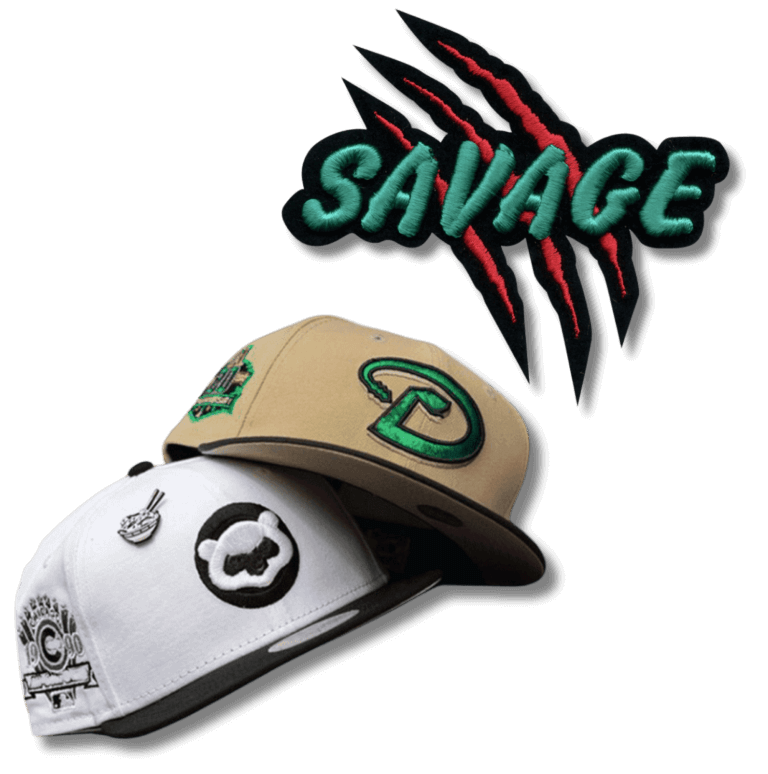
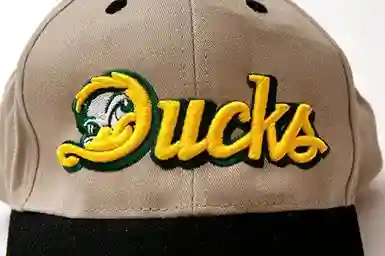
Caps and hats are one of the best uses for raised embroidery. The added height gives logos more punch and helps team names, initials, and brand marks stand out from a distance.
Uniforms & Team Gear
For uniforms and team apparel, 3D embroidery adds a cleaner and more recognizable finish. It helps names, letters, and emblems look sharper while still feeling durable enough for regular wear.
Jackets & Outerwear
Jackets and heavier outerwear carry 3D embroidery especially well because the raised stitching does not get lost on thicker fabric. It gives patches and logos a more premium look without making the design feel overdone.
Welcome to Prime Emblem Canada
Why Choose Prime Emblem Canada for Custom 3D Embroidery Patches
1
We focus on clean digitizing, sharp edge control, and raised embroidery that looks deliberate rather than bulky. Good 3D embroidered patches Canada buyers come back for usually start with proper setup, not just thicker thread. Competitor pages repeatedly highlight digitizing and stitch density because that is what helps foam embroidery hold its shape.
2
We use quality materials and production methods that suit dimensional embroidery properly. That includes stronger thread coverage, foam support, and finishes that make the patch look more structured on hats, apparel, and promotional gear. Thread options, shape choices, and border styles are also a big part of what makes the result look clean.
3
We keep the process easy to follow. Send the artwork, review the proof, make changes if needed, and move ahead only when the patch looks right. Competitor pages in Canada and elsewhere consistently lean on proof approval, flexible backings, and custom options because buyers want the same thing every time: fewer surprises and a cleaner final result.
Custom 3D Embroidery for Apparel
3D embroidery gives you a few useful ways to push the design further without making it messy. Thread colour, stitch direction, foam height, and the balance between raised and flat areas all affect how the patch looks once it is sewn or pressed onto the garment. Competitor pages repeatedly highlight colour choices, thread options, and custom sizing because those are the details customers actually ask about.
Thread Colors & Shading Options
Colour matters more with raised embroidery because the light catches the thread differently than flat stitching. Strong thread choices can make the logo look cleaner, more vivid, and easier to read on dark or textured fabrics.
Foam Thickness and Height Variations
Not every design needs the same level of lift. Some logos look better with a lower puff, while others need more height to create contrast. The right foam thickness helps the patch feel dimensional without becoming clumsy or overbuilt.
Patch Shapes & Edge Finishes
Custom shapes work well with 3D embroidery as long as the artwork stays bold enough for the raised effect. Competitor pages also point out that borders matter, with common options including merrowed, heat-cut, and laser-cut edges depending on the style and finish you want.
Backing Options
You can usually choose sew-on, iron-on, or hook-and-loop style backings depending on where the patch is going. For longer-term wear, sew-on and hook-and-loop are common. For retail or easier application, iron-on can work well when the base material suits heat.
When they are digitized properly and stitched at the right density, they usually keep their raised look well. Like any embroidered product, wear conditions matter, but the structure is designed to hold shape better than flat embroidery in terms of visible height.
Many competitor pages describe them as durable enough for regular wear, and some specifically note wash resistance. That said, the exact result depends on the backing, garment, and how the patch is applied.
Minimums vary by supplier. Falcon Transfers lists 12 pieces, while Panda highlights low minimums starting at 5 on its broader patch pages. For Prime Emblem Canada, this should match your actual production policy.
Twill, felt, and polyester are all commonly referenced because they give the raised stitching a stable base. Heavier apparel pieces like hats, outerwear, and uniform items are also common use cases.
Our Team Always Stands Behind the Value and Quality of Each Custom Patch
Don’t hesitate to get in contact with us at
(760) 999-0265 or
info@primeemblem.ca if you have any queries. To get a FREE QUOTE please fill out this form.