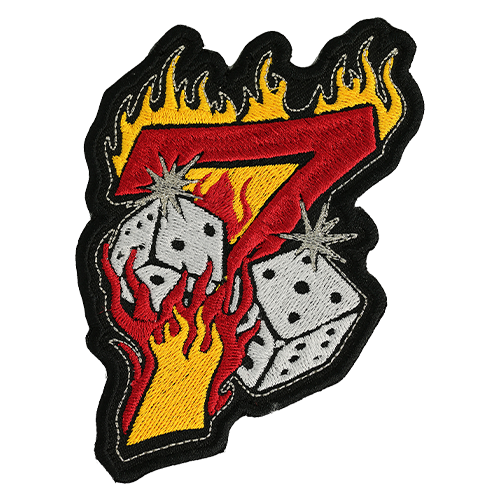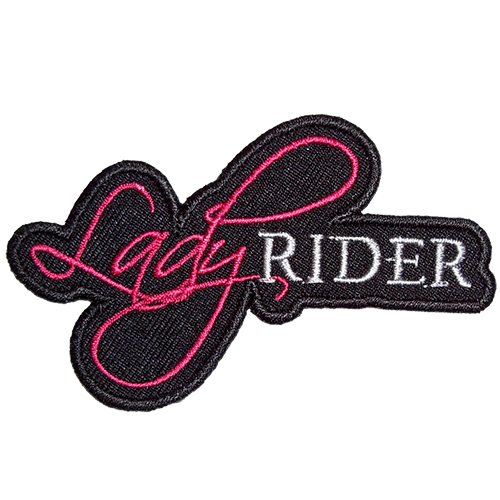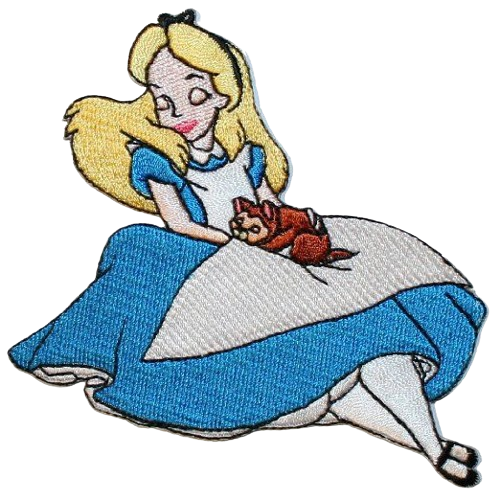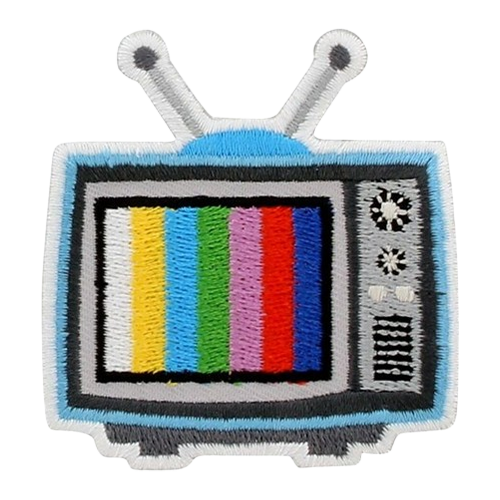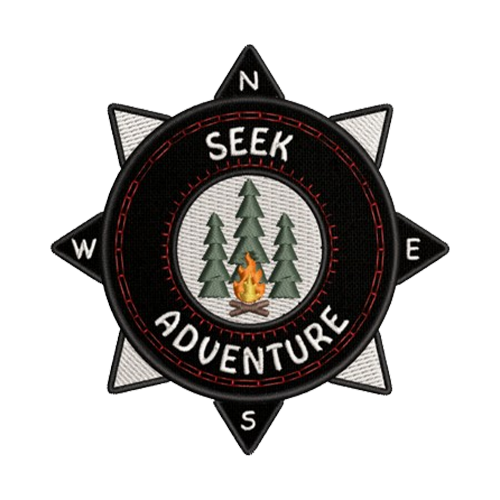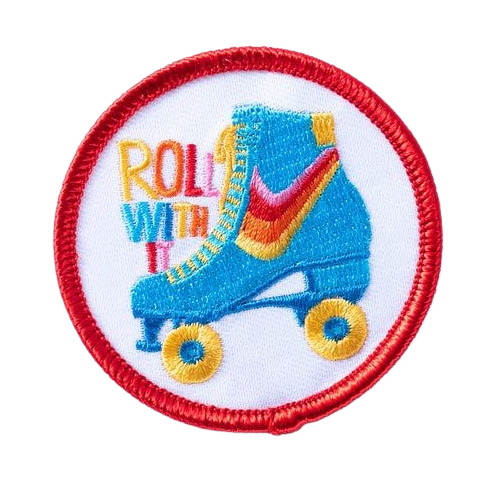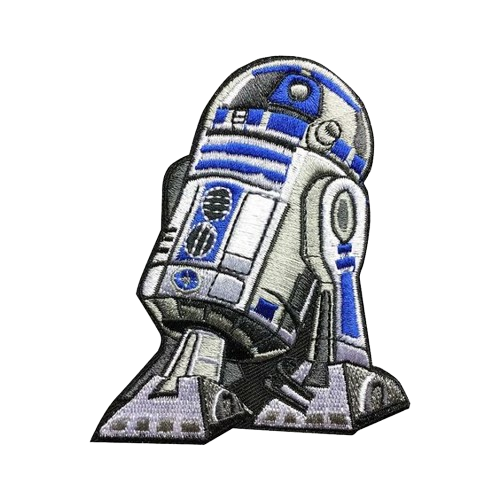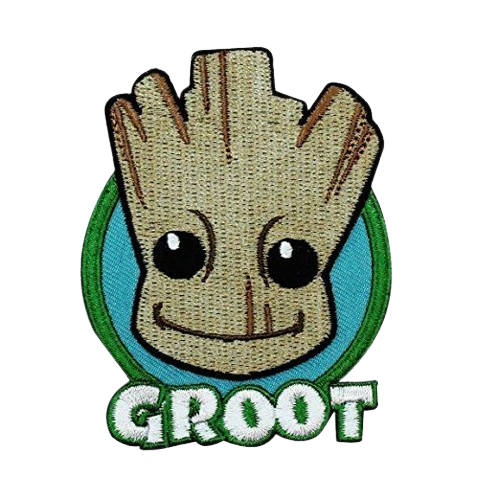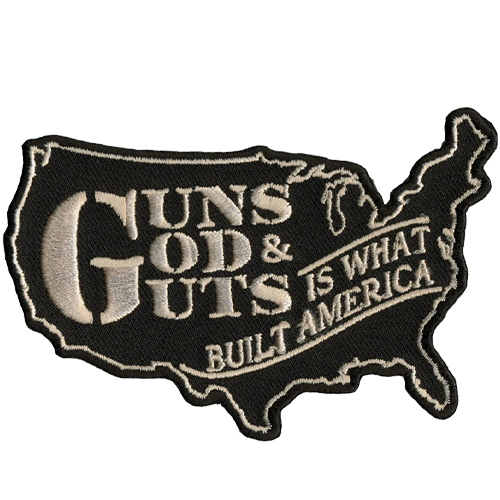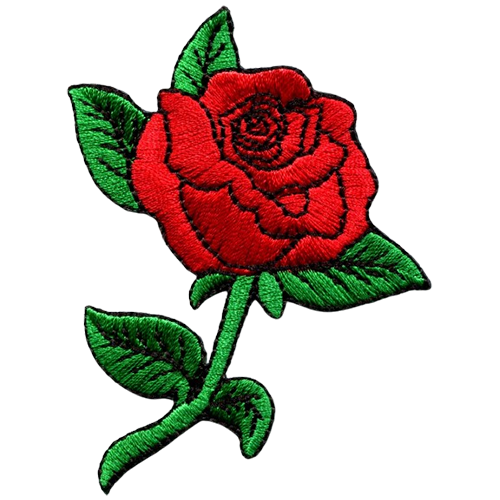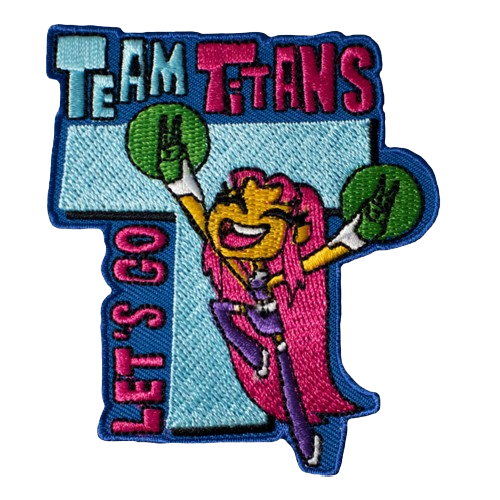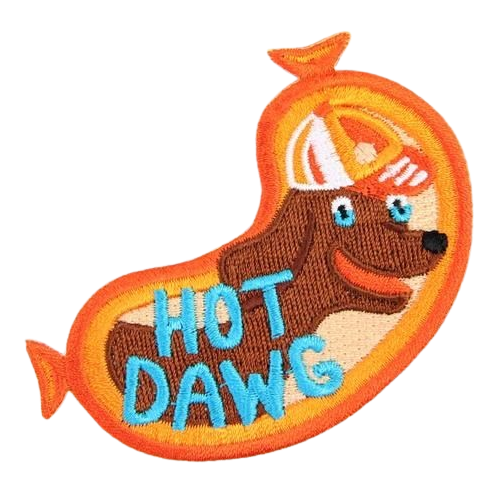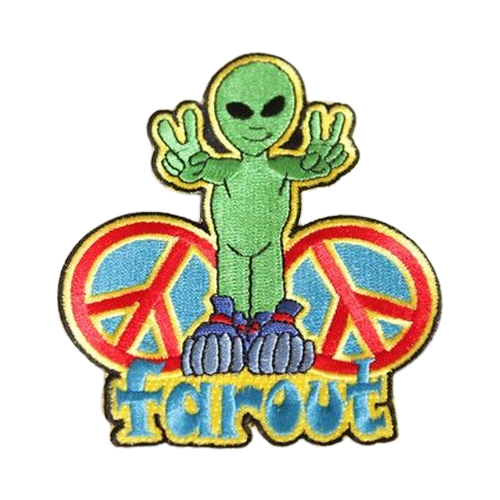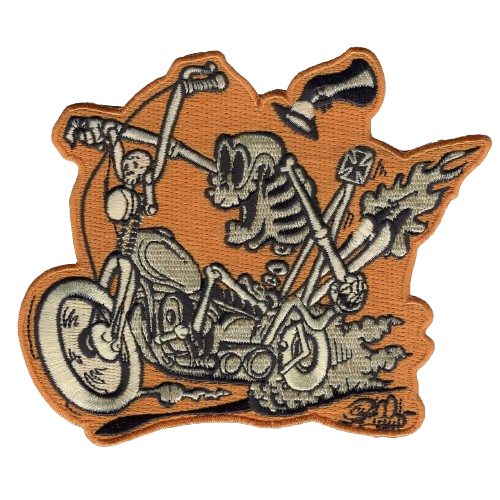
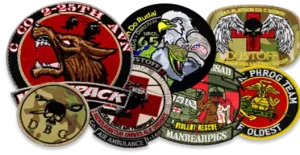
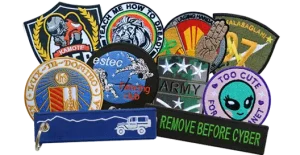
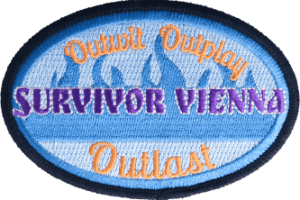
We make custom embroidered patches Canada businesses, teams, clubs, and brands can use when they want something durable, clean, and easy to apply across different products. Our patches are stitched with quality threads, built on reliable backing materials, and finished to hold their shape through regular wear.
Whether you need patches for uniforms, jackets, hats, bags, or branded merchandise, embroidered patches remain one of the most practical options because they balance texture, visibility, and durability well.
Competitors in Canada and the wider patch market regularly break embroidered patches into 50%, 75%, and 100% coverage because coverage affects both the look and the cost. Lower coverage leaves more twill visible, while higher coverage creates a fuller stitched finish.
A good option for simpler artwork, cleaner lettering, and designs where you want some of the base twill to show through. It usually works well for text-heavy patches and budget-conscious orders.
This is often the middle ground. You get stronger thread presence and more detail without covering the patch completely. It suits logos, standard brand patches, and many club or team designs.
Best when the design needs fuller stitching, richer texture, and less visible background fabric. This option is often chosen for patches that need a more filled-in, premium look.
Embroidery competitors commonly separate this category into standard embroidered patches, puff or raised embroidery, iron-on styles, and personalized name patches because each one solves a different problem depending on the garment and the design.
Standard embroidered patches are the most versatile option. They work well for uniforms, jackets, team gear, workwear, events, and general brand use. If you want a classic stitched patch that feels reliable and easy to apply, this is usually the place to start.
These are ideal for logos, club patches, business branding, and organizational use where you want a timeless patch style that still looks sharp on apparel and accessories.
3D puff embroidery adds raised foam under the stitching, which creates more depth and a bolder look. This is a strong choice for hats, caps, and thicker lettering that needs more presence.
Iron-on embroidered patches are useful when faster application matters. They work well for many apparel pieces and promotional items, especially when sewing every patch is not practical.
Name patches help with staff uniforms, team apparel, workwear, and identification use. They are simple, readable, and built for repeat wear.
Custom embroidery patches enhance apparel with a professional, durable finish. Different garments work best with specific patch types and backings for long-lasting results.
Good for brand merch, event wear, staff apparel, and lighter team use. For softer fabrics, iron-on or standard embroidered patches can work well depending on the material.
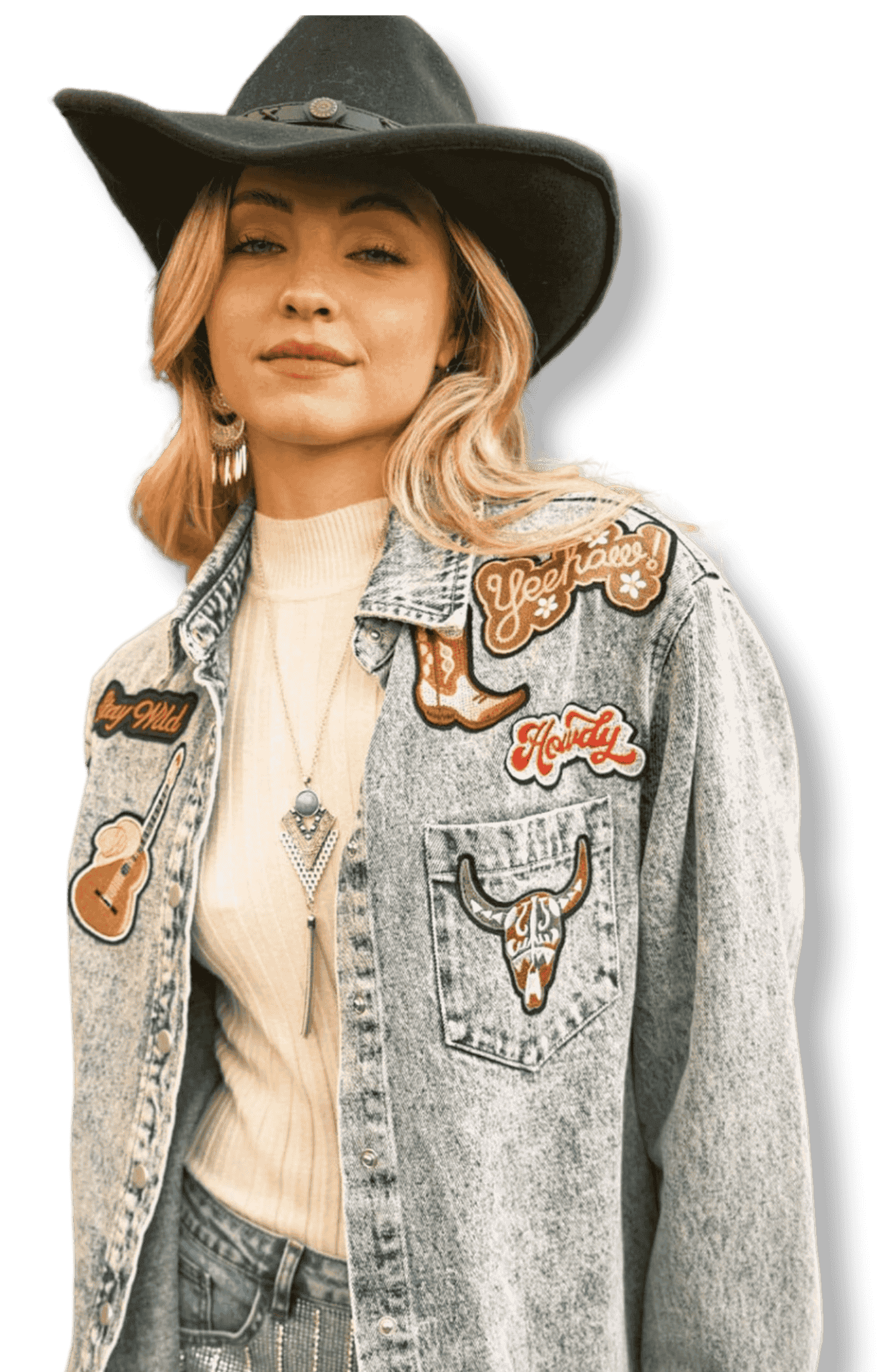
A strong fit for outerwear, denim, varsity styles, and work jackets. Sew-on and standard embroidered patches are often the safer long-term option here.
For uniforms and workwear, durability matters more than anything else. Sew-on embroidered patches are usually the most practical choice when the garment is washed regularly.
Caps and hats work especially well with embroidered patches because the stitched texture stays visible and gives the logo more structure.
Patches on bags, backpacks, pouches, and accessories help add branding without printing directly onto the item. Velcro and sew-on options are common here depending on the end use.
Hoodies, aprons, vests, and specialty garments can all work with embroidered patches when the backing is matched to the fabric and use case properly.

Best when you want the strongest and most permanent hold. Sew-on backing is a practical choice for uniforms, jackets, workwear, and items that go through frequent washing.
A faster application option for many fabrics. Iron-on works well for casual apparel, promotional use, and patches that need a clean look without visible stitching around the edges.
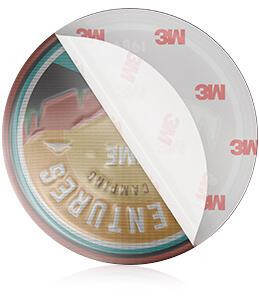
Useful for temporary placement, display, or lighter-use situations. This option is more about convenience than long-term durability.
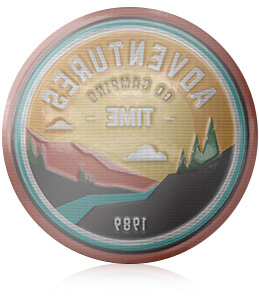
A mix of sew-on and iron-on can make sense when you want easier placement first and stronger hold after final stitching. Some customers prefer this setup for repeated apparel use.
Velcro embroidered patches work best when the patch needs to be removed, swapped, or reused across gear and garments. This is common for uniforms, tactical use, bags, and outerwear.
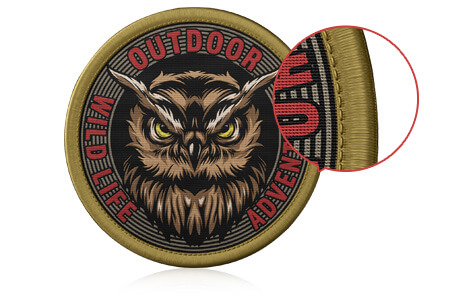
Merrowed borders, named for the brand of sewing machine that creates them, produce the classic raised borders that are an industry standard. It adds a touch of elegance to clean, simple designs.
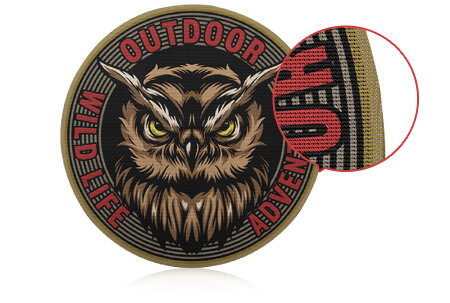
Hot cut patches, unlike standard rounded edge patches, feature sharp, detailed edges. This option is ideal if your patches have fine details and intricate design features.
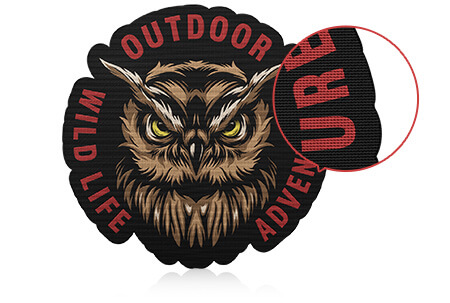
There is no sewn border on these patches, and it dependes on the look and feel you want them to have.
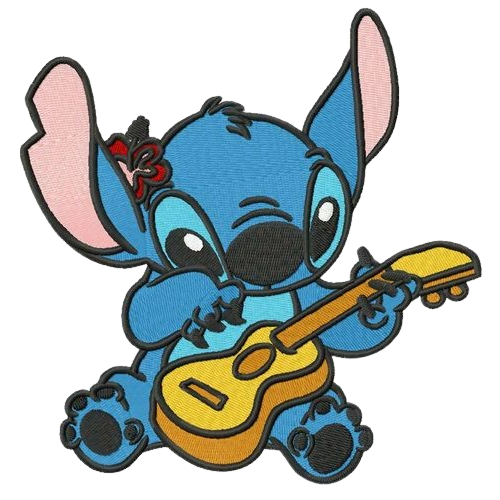
Most embroidered patches are made with polyester or rayon thread. These materials are commonly used because they hold colour well, give a clean stitched finish, and work across many apparel applications.
Yes, when the right backing is used for the garment. Sew-on is usually the safest option for heavier washing, while iron-on can still work well on suitable fabrics. Panda notes that iron-on backing can last through many washes, but sew-on remains the strongest long-term choice.
Yes. Embroidered patches are often used on jackets, uniforms, bags, hats, and gear. The better choice depends on how rough the use will be and whether the patch needs to be removable.
Embroidery works best when the design has clear shapes and enough space for stitching. Very fine detail or tiny gradients may work better as printed or woven patches instead of embroidery. Panda and other competitors make the same distinction when comparing embroidered and printed patch types.
There is no single universal size, but many patch orders fall into the small-to-medium range for hats, jackets, uniforms, and bags. Size also affects cost, coverage, and how readable the artwork stays.
That depends on the backing. Velcro patches are designed for removal and reuse. Adhesive can work for temporary placement. Sew-on is permanent, and iron-on is usually meant to stay in place once applied.
A well-made embroidered patch can last a long time when the backing suits the fabric and the patch is applied properly. Competitor pages consistently market embroidered patches around durability, long wear, and repeat use on uniforms and branded apparel.
Please note that our minimum to order is 10 pcs
Bring your idea into reality